Monday, November 5

जलविद्युत् प्रवर्द्धकलाई थप सहुलियत

सरकारले लगानीकर्तालाई सहुलियत दिई मुलुकमा जलविद्युत् विकासलाई प्रवर्द्धन गर्न आयोजना निर्माण गर्दा काट्नुपर्ने रूखको सट्टामा रोप्नुपर्ने रूखको संख्यामा भारी मात्रामा कटौती गर्नुका साथै अनुमति लिने प्रक्रियालाई समेत सरल बनाएको छ ।

लोडसेडिङ न्यूनीकरण कार्ययोजनामा सरकारले विद्युत् आयोजना निर्माण गर्दा जति रूख काट्नुपर्छ, त्यसको दुई गुणा मात्र रूख रोप्नुपर्ने र त्यसका लागि वन मन्त्रालयले अनिवार्य रूपमा जग्गा उपलब्ध गराउनैपर्ने व्यवस्था गरेको छ ।

यसअघि विद्युत् आयोजना निर्माण गर्दा जति रूख काट्नुपथ्र्यो, त्यसको २५ गुना रूख आफैंले जग्गा खरिद गरी रोप्नुपर्ने व्यवस्थाका कारण प्रवर्द्धकहरूले ठूलो समस्यामा भोग्नुपरेको थियो । प्रवर्द्धकहरूका लागि रूख रोप्नभन्दा त्यसका लागि जग्गा पाउन ठूलो व्यवधान थियो ।

सरकारले हालै पारित गरी कार्यान्वयनमा ल्याएको लोडसेडिङ न्यूनीकरण र शासकीय तथा आर्थिक सुधारको तत्कालीन कार्ययोजनामा मुलुकमा ५ हजार मेगावाट विद्युत् उत्पादन नभएसम्म जलविद्युत् आयोजनाले काटेको रूखको २५ गुणाको सट्टा दुई गुणा मात्र रोप्नुपर्ने व्यवस्था गरेको छ ।

कार्ययोजनामा प्रवर्द्धकले आयोजना निर्माण गर्दा काटेको रूखको दोब्बर संख्यामा रोप्ने जग्गा अनिवार्य रूपमा वन मन्त्रालयले उपलब्ध गराउनैपर्ने व्यवस्था गरिएको छ ।

Tuesday, October 23

विद्युतका लागि १५ दिनभित्र रुख काट्न दिनुपर्ने

जलविद्युत आयोजना बनाउनका रुख काट्नुपर्ने अवस्था आए वन मन्त्रालयले १५ दिनभित्र अनुमति दिनुपर्ने भएको छ। 

वन मन्त्रालयले जलविद्युतका प्रवर्द्धकहरूलाई रुख काट्ने स्वीकृतिका लागि लामो समय लगाउने गरेको गुनासो बढेपछि १५ दिनभित्र स्वीकृति दिनुपर्ने नयाँ प्रावधान मन्त्रिपरिषदले पारित गरेको छ। 

सरकारले हालै सार्वजनिक गरेको 'शासकीय तथा आर्थिक सुधारको तत्कालीन कार्ययोजना' ले रुख काट्न अनुमति मागेको ३० दिनभित्र पनि स्वीकृति नदिए स्वतः अनुमति भएको मानी कारबाही अघि बढाउने उल्लेख छ। 

'प्रक्रिया पुर्‍याएर आउने हो भने स्वीकृति दिन ३० दिन पनि लाग्दैन,' वन मन्त्रालयका सहसचिव कृष्णप्रसाद आचार्यले भने। उनले मन्त्रिपरिषदबाट पारित भएको कार्ययोजनाबारे दसंैंपछि छलफल गरेर अघि बढ्ने बताए। 

वातावरणीय प्रभाव मूल्यांकनसहित काटिने रुखको विवरण पेस गरे जलविद्युत आयोजनाका लागि कटान गर्न दिन कुनै समस्या नभएको मन्त्रालयले जनाएको छ। तर, जलविद्युत आयोजनाका प्रवर्द्धकले भने वन मन्त्रालयबाट विभिन्न अड्को थापेर महिनौंसम्म दुःख दिने काम भइरहेको बताएका छन्। 

Wednesday, October 17

पश्चिम सेती साइट हेर्न चिनियाँ सुदूरपश्चिममा

पश्चिम सेतीको साइट हेर्न चिनियाँ कम्पनी थ्री गर्जेजका प्रतिनिधि सुदूरपश्चिम पुगेका छन् । दुई दिनअघि नेपाल आइपुगेको ८ जना इन्जिनियरको टोली आयोजनास्थल डोटी गएको लगानी बोर्ड स्रोतले जानकारी दियो।

'कम्पनीले अहिलेसम्म साइट हेरेको थिएन,' बोर्ड स्रोतले आइतबार कान्तिपुरसित भन्यो, 'इन्जिनियरहरूको टोली धनगढी पुगेको छ ।' ७ सय ५० मेगावाटको पश्चिम सेती डोटी, डडेल्धुरा, बाजुरा र बैतडीको सिमानामा बन्ने छ । यो जलाशययुक्त आयोजना हो ।

चिनियाँ कम्पनी थ्री गर्जेजले उक्त आयोजना बनाउनेबारे फागुनमा समझदारी (एमओयू) भएको थियो । त्यसलगत्तै बिनाप्रतिस्पर्धा आयोजना दिएको र लाभको बाँडफाँड प्रस्ट नभएको भन्दै संसदको प्राकृतिक स्रोत साधन समितिले छानबिन गरेको थियो । समितिले आयोजना बनाउने जिम्मा बोर्डलाई दिन पनि निर्देशन दिएको थियो । त्यसपछि उक्त प्रक्रिया यत्तिकै रोकिएपछि दुई महिनाअघि प्रधानमन्त्रीका आर्थिक सल्लाहकार रामेश्वर खनालसहित ऊर्जा सचिव हरिराम कोइराला र लगानी बोर्डका प्रमुख कार्यकारी अधिकृत राधेश पन्तसहितको टोलीले एमओयू गरेको कम्पनीको होल्डिङ (माउ) कम्पनी चाइना थ्री गर्जेनका प्रसिडेन्ट चेन फि र सञ्चालक समिति (बोर्ड) अध्यक्ष काओ ग्वागजिङलाई भेटेका थिए । यसैगरी तत्कालीन चाइना थ्री गर्जेज इन्टरनेसनल -सीटीजीआई) का अधिकारीसँग छलफल गरिएको थियो । यही कम्पनीका उपाध्यक्ष वाग सावफेङले एमओयूमा हस्ताक्षर गरेका थिए । उक्त कम्पनीको नाम अहिले परिवर्तन भएर सीडब्लूई इन्भेस्टमेन्ट कर्पोरेसन भएको छ ।

Monday, October 15

Government slaps fine on hydro project

Ministry of Energy has fined the project developer of Charnawati Hydropower Rs 1 lakh fine for breaching the Environment Conservation Act 2053.

The government has accused the Gyatri Hydro Power Private Ltd of digging a tunnel instead of using only pipes and canals to carry water to the power-house against the provision of Initial Environmental Examination (IEE) report under Section 14 of the Act.

It has further asked the developer to review the IEE before constructing the tunnel.

The Initial the Environmental Examination was conducted for mitigating the environmental aspects of small scale projects. Joint Secretary of the Ministry Rabi Aryal confirmed that the project had breached the law and made a huge impact on the environment.

Projects conduct the Initial Environmental Examination during the period of license survey and is to be approved by the Ministry of Environment.

Source: www.thehimalayantimes.com 

Tuesday, September 25

निकुञ्जभित्रका होटल: नवीकरणको प्रपञ्च

रामजी दाहाल
विश्व सम्पदा सूचीमा रहेको चितवन राष्ट्रिय निकुञ्जभित्र विना प्रतिस्पर्धा पहुँचको भरमा ४५ वर्षदेखि सञ्चालित सातवटा होटल–लजलाई घुमाउरो बाटोबाट पुनः संचालन अनुमति दिन ९ भदौमा सरकारले वन तथा भू–संरक्षण मन्त्री यदुवंश झाको संयोजकत्वमा अर्थ, पर्यटन र वातावरण मन्त्री सदस्य रहेको कार्यदल गठन गरेको छ। यो कार्यदल एमाओवादी नेतृ हिसिला यमीको दबाब र प्रधानमन्त्री डा. बाबुराम भट्टराईको पहलमा गठन भएको हो।

प्राकृतिक स्रोतमा स्थानीयवासीको अधिकार र पहुँच हुनुपर्ने बहस चलिरहेका बेला पहुँचवाला व्यवसायीको दबाबमा ती होटलको नवीकरण हुँदैछ। संरक्षणविद् डा. तीर्थबहादुर श्रेष्ठ निकुञ्जभित्रका होटललाई के गर्ने भन्ने निर्णय सिंहदरबारबाट होइन, स्थानीय तहबाट हुनुपर्ने बताउँछन्। निकुञ्ज प्रभावित चितवन र नवलपरासीका स्थानीय राजनीतिक दल, मध्यवर्ती क्षेत्र व्यवस्थापन समिति, उद्योग वाणिज्य संघलगायतले होटल राख्न दिएर वन्यजन्तुको बासस्थान खलबल्याएको भनी तत्काल हटाउनुपर्ने माग गरेका छन्।

२५ साउन २०६६ मा संसद्को सार्वजनिक लेखा समितिद्वारा गठित उपसमिति र प्राकृतिक स्रोतसाधन समितिले पनि म्याद थपे दुर्लभ वन्यजन्तु मासिने र नेपालको अन्तर्राष्ट्रिय ख्याति मेटिनेमा सचेत गराउँदै निकुञ्जभित्रका होटलको अनुमति असार २०६९ पछि नवीकरण गर्नु नहुने सुझावसहितको प्रतिवेदन दिएका थिए। ती प्रतिवेदनलाई दराजमा थन्क्याएर नवीकरण सम्बन्धी कार्यदल गठन भएपछि स्थानीय सरोकारवालाहरू सशंकित भएका छन्।

Monday, September 24

Taking nature back to people

BHRIKUTI RAI
The Ghunsa helicopter crash on 23 September 2006 devastated Nepal's nature conservation movement by taking the lives of 24 people, among them six of Nepal's pioneer conservationists. Six years on, the void is slowly being filled by community-based environmental groups who are protecting the legacy of putting local people at the centre of conservation activities.

Conservation and Sustainable Use of Wetlands in Nepal (CSUWN) is one such project, which since 2008, has integrated wetland management with improved local livelihoods. Protecting Nepal's endangered water bodies is important not just to conserve groundwater for human use, but also to save wildlife and migratory birds.

"Unless people at the grassroots understand the importance of conserving the wetlands that they are dependent on, it is difficult to conserve them at all," explains Top Khatri of CSUWN.

Water resources in Nepal are often seen in terms of their hydropower potential only, so marshes, swamps, floodplains and lakes, which form a vital part of Nepal's aquatic ecosystem, often get left out of the conservation discourse. Although wetlands account for only five per cent of Nepal's total surface area, they are integral for recharging acquifers and providing a habitat for wildlife, especially migratory birds.

Thursday, September 20

In ‘good sign’ for the winter, Kulekhani water level rises

Heavy rains in the last few days have led to water level in the Kulekhani reservoir rising by around four meters and this is likely to ease power cuts to some extent this winter.

However, officials attribute the present respite in load-shedding hours to the fall in temperature, which has led to people using less hours of fans and air conditioners.

The 92-MW Kulekhani Hydro Electricity Project is the only reservoir-type power project in Nepal. Though the rise in the water level is not contributing to the temporary respite in load-shedding, it will positively contribute in minimizing the daily projected power outage of 21 hours this winter, officials said.

Electricity consumers in the Kathmandu valley have been experiencing an ‘unofficial’ decrease in the daily power-cuts, ranging between one and one-and-a-half hours.

Lashing rains contributed to the decrease in around 20 to 25 megawatt of power consumption. The present demand for power is 980 megawatt, while the supply stands at a mere 600 MW and that includes electricity imported from India.

Sunday, September 16

Conservation of interests

Bhrikuti Rai
Nepal's Annapurna Conservation Area Project (ACAP) survived a war, upheavals in Kathmandu and the tragic death of its founding members in a helicopter crash six years ago. But it may not survive the interference of short-sighted politicians during the country's present fluid transition.

The future of Nepal's largest protected area is in jeopardy after the Cabinet's surprising decision in July to terminate the management of the internationally acclaimed eco-tourism project by the National Trust for Nature Conservation (NTNC) which had been running it for the last 25 years.

The NTNC had asked the government for an extension of its management for another 10 years to facilitate the handover of resource administration to local councils. But the Cabinet ignored the endorsement of the NTNC mandate by the Ministry of Forest and Soil Conservation (MoFSC), and instead directed it to find an alternative arrangement.

ACAP was pioneered by late conservationist Chandra Gurung and it is internationally recognised as a role model for sustainable tourism development that injects tourism income directly into the village economy. Gurung and five of Nepal's top conservationists were among 25 killed when their helicopter crashed in November 2006 during a visit to the Kanchenjunga area to replicate ACAP's accomplishment in eastern Nepal.

Monday, August 20

भाउसँगै लोडसेडिङ बढ्यो, दिनमा सात घण्टा अन्धकार

विद्युत प्राधिकरणले बिजुलीको भाउ बढाएको चौथो दिनबाटै लोडसेडिङ पनि बढेको छ। प्राधिकरणले सोमबारदेखि लोडसेडिङलाई हप्तामा ४६ घन्टा बनाएको छ। 'हप्तामा चार दिन दुईपटक गरेर सात घन्टा र तीन दिन ६ घन्टाका दरले बिजुली कटौती हुनेछ,' प्राधिकरण प्रणाली सञ्चालन विभागका प्रमुख भुवनकुमार क्षेत्रीले भने। अहिले हप्तामा ३५ घन्टा लोडसेडिङ छ।

प्राधिकरणले भदौ १ बाट लागु हुने गरी बिजुलीको महसुल २० प्रतिशतका दरले बढाएको छ। महसुल निर्धारण आयोगले साउनदेखि नै बढाउन स्वीकृति दिए पनि प्राधिकरणले भने वार्षिक उत्सवदेखि मात्र बढाउने निर्णय गरेको छ। प्राधिकरणले भदौ १ गते आफ्नो २७ औं वार्षिक उत्सव मनाएको छ।

प्राधिकरणले घरायसी मासिक २० युनिटसम्म बिजुली प्रयोग गर्ने उपभोक्तालाई भाउ नबढाए पनि त्यसभन्दा बढी खपत गर्नेलाई भने प्रति युनिट ७ रुपैयाँ ३० पैसादेखि ११ रुपैयाँसम्म बनाएको छ।

भारतबाट आउने बिजुली ३५ मेगावाटले कटौती भएको छ। यो वर्ष पानी कम परेको हुँदा भारतमा सिँचाइका लागि पानी तान्ने पम्पको प्रयोग बढेपछि त्यसले विद्युतको माग निकै बढाएको छ। त्यसले गर्दा भारतले नेपालमा आउने बिजुली कटौती गरेको हो।

Friday, August 17

जलविद्युतमा चीनको जोड

नेपालको जलविद्युतमा चासो राख्दै आएको चीनले नेपाललाई जलविद्युत लगानीमैत्री वातावरण बनाउन आग्रह गरेको छ। नेपाल-चीनबीच काठमाडौंमा सोमबार सुरु परराष्ट्रसचिव स्तरीय बैठकमा चिनियाँ पक्षले यस्तो आग्रह गरेको हो। 

'नेपालको जलविद्युतमा चिनियाँ लगानीकर्ता लगानी गर्न तयार छन्,' चिनियाँ उप-विदेशमन्त्री फु यिङलाई उद्धृत गर्दै बैठकमा सहभागी एक नेपाली अधिकारीले भने, 'यसका लागि नेपालले लगानीमैत्री वातावरण बनाउनुपर्छ। जलविद्युतमा अहिले पनि धेरै समस्या छन्।' 

वार्तामा माथिल्लो त्रिशुली ३ 'ए' जलविद्युत आयोजनामा सहुलियत ऋण उपलब्ध गराउन चिनियाँ पक्ष सकारात्मक भएको ती अधिकारीले बताए। यस्तै चीनले बाहिरी चक्रपथ निर्माण गर्न सकारात्मक रहेको जवाफ दिएको छ। नेपालले उपत्यकाको जनघनत्व बढ्दै गएपछि बाहिरी चक्रपथ निर्माणलाई अघि बढाउने निर्णय गरेको थियो। तर बाहिरी चक्रपथ निर्माणको प्रक्रिया भने अघि बढ्न सकेको छैन। 

नेपालमा चिनियाँ पर्यटन बढाउन सिधा हवाई सम्पर्क बढाउन पनि चीन सहमत भएको छ। 'चिनियाँ पर्यटक बढाउन हवाई सम्पर्क बढाउनेबारे सहमति भएको छ,' सहभागी ती अधिकारीले भने। चिनियाँ पर्यटक बढाउन काठमाडौं-ल्हासा बससेवा पुनः सञ्चालनमा ल्याउनेबारे छलफल भएको थियो।

Sunday, August 12

West Seti to China Three Gorges

The government has decided to grant China Three Gorges Corporation (CTG) permission to proceed on the 750MW West Seti Hydropower Project.

Earlier in March 2012, the Natural Resources and Means Committee of the now-defunct Constituent Assembly and the Investment Board had raised questions over a MOU signed with China Three Gorges International (CTGI), a subsidiary of CTG, and all progress was stalled.

A 22-member team consisting of the Energy Minister Posta Bahadur Bogati, Prime Minister Baburam Bhattarai’s economic advisor Rameshwor Khanal and acting director of the Investment Board Radhes Pant will travel to China on Tuesday for talks with CTG.

Source: www.nepalitimes.com.np

Thursday, August 2

तीन वर्षभित्र टोकार्डो प्रविधिबाट सय मेगावाट बिजुली

खोलामा सिधै टर्बाइन राखेर बिजुली उत्पादन गर्ने टोकार्डो प्रविधिबाट तीन वर्षभित्र सय मेगावाट बिजुली उत्पादन गरिने भएको छ। नेदरल्यान्डको टोकार्डो इन्टरनेसनल बिभी र नेपालको ग्लोटेक सोलुसनबीच यससम्बन्धी सम्झौतापत्रमा बुधबार काठमाडौंमा हस्ताक्षर भयो। पत्रमा टोकार्डोका तर्फबाट प्रमुख कार्यकारी हान्स भ्यान ब्रुगेल र टोकार्डोका प्रमुख कार्यकारी अधिकृत सुबोध त्रिपाठीले हस्ताक्षर गरे।

दुई कम्पनी मिलेर सन् २०१३ भित्र खुला टर्बाइन राखेर सुनकोशीको शैलेघाट, नारायणीको देवघाट, कर्णालीको लालीघाट र कोशीका विभिन्न ठाउँमा पहिलो चरणमा १० मेगावाट बिजुली उत्पादन गर्ने भएका छन्।
तस्बिर : टोकार्डो  टर्बाइन

सन् २०१४ भित्र थप सय मेगावाट बिजुली टोकार्डो प्रविधिबाट उत्पादन गरिनेछ। टोकार्डो टर्बाइन युरोपबाट ल्याउँदा बढी खर्च लाग्ने भएपछि नेपालमै कारखाना बनाउने सम्झौतामा उल्लेख छ। 'उत्पादन गर्न सकिने टर्बाइनका पार्टस् यही बनाइने छ,' ग्लोटेकका अध्यक्ष एजी शेर्पाले भने।

हेटौंडामा एसेम्बल प्लान्ट राखेर आगामी पुसदेखि टोकार्डो टर्बाइन उत्पादन हुने भएको छ। तीब्र बहाव भएका खोलामा टोकार्डोको टर्बाइन झुन्ड्याएर राखेपछि त्यसले क्षमता र पानीको बहावअनुसार ५० देखि सय किलोवाट बिजुली उत्पादन गर्छ।

पावर हाउस, सुरुङ, ड्यामजस्ता ठूला लगानी गर्नुपर्ने र लामो समय लाग्ने पूर्वाधार तयार गर्नु नपर्ने भएकाले यो प्रविधिबाटे ६ महिनामै बिजुली निकाल्न सकिन्छ। ग्लोटेकले विद्युत विकास विभागबाट २.४ मेगावाटको आयोजना बनाउन स्वीकृति पाइसकेेको छ। नेपालमै पहिलोपटक बनाउन लागिएको यस्तो प्रविधिलाई गत वर्षको असोजमा मन्त्रिपरिषदको बैठकले सैद्धान्तिक सहमति दिइसकेको छ।

Thursday, July 26

The little green car

The battery-operated Reva cars are no longer the head turners they used to be five years ago in Kathmandu. The residents of the capital have got used to seeing the tiny vehicles plying alongside motorbikes, microbuses and SUVs on the congested streets.

Green Reva-lution
Pic: Reva electric car

But the electric cars are likely to gain more popularity among urban Nepalis now that Agni Incorporated, the authorised distributors of Mahindra vehicles in Nepal, has been granted dealership of Revas.

The Indian multinational bought half the stake in the Bangalore-based company earlier this year which makes the California-designed car that was introduced in Nepal in 2000 by Eco-Vision.

"Reva is not a new name in Nepal, but we intend to increase its visibility by marketing the brand intensely," says Cabinet Shrestha of Agni Incorporated, which has been the dealer for Mahindra in Nepal. "Extending the partnership in electric vehicles was a mutually beneficial agreement for both of us." Shrestha plans to market the car outside Kathmandu as well, starting with Pokhara and Lumbini.

Tuesday, July 17

बिजुली नबिक्दा घरजग्गाको चिन्ता

सिद्धराज राई, धनकुटा 
उज्यालोमात्र होइन, आर्थिक गर्जोसमेत टार्ने उद्देश्यले बिजुली उत्पादनमा लागि परेका धनकुटा मारेककटहरेवासीलाई अहिले घरजग्गा लिलाम होला भन्ने चिन्ता छ। नेपाल विद्युत प्राधिकरणले केन्द्रीय विद्युत प्रशारण लाइन गाउँसम्मै पुर्‍याएपछि गाउँमा उत्पादित बिजुली खपत हुन छाडेकाले यो अवस्था आएको हो। २०६१ सालबाट निर्माण सुरु गरी गएको गत वर्ष पूरा भएको लेगुवाखोला लघु जलविद्युत आयोजनाबाट जम्मा ४० किलोवाट विद्युत उत्पादन भइरहेको छ। यो बिजुली गाउँमा वितरण गरेको केही महिनामै प्राधिकरणले पनि विद्युत सेवा विस्तार गरेको थियो। 

'अहिले हाम्रो तारमा विद्युत प्राधिकरणको करेन्ट गइरहेको छ। सबैले त्यही बत्ती बाल्न थालेका छन्,' लेगुवाखोला लघुजलविद्युत उपभोक्ता सहकारी संस्थाका अध्यक्ष नारद कटुवालले भने, 'हाम्रो पुरानो बक्यौता पनि उठन सकेको छैन।' केन्द्रीय प्रशारण लाइनबाट सबैतिर बिजुली पुगेकाले बक्यौता उठन गाह्रो भएको उनले बताए।

सिँचाइ पनि हुने र बिजुली पनि बाल्ने योजना साथ सहकारिताको अवधारणा अनुसार निर्माण गरिएको उक्त आयोजनाको आम्दानी अहिले शून्य बराबर छ। विद्युत नबिकेपछि घाटामा गएका लघु जलविद्युत निर्माणकर्ताहरूमा यतिबेला बैंकबाट लिएको ऋण कसरी तिर्ने भन्ने छटपटी छ। आयोजना निर्माण गर्न कृषि विकास बैंक धनकुटा शाखाबाट १२ जनाले धनीपूर्जा राखेर १३ लाख रुपैयाँ ऋण लिएका थिए।

Thursday, July 12

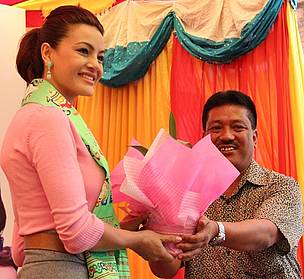
Miss Nepal 2012 Shristi Shrestha nominated WWF’s Young Conservation Ambassador

Kathmandu, Nepal 
WWF Nepal welcomed Miss Nepal 2012, Shristi Shrestha, as the seventh Young Conservation Ambassador. 

“On behalf of WWF, I am very happy to welcome Shristi as our seventh Young Conservation Ambassador. I would also like to acknowledge with gratitude Miss Nepal 2011, Malina Joshi for her active contribution to help raise awareness on WWF's conservation endeavors,” said Anil Manandhar, Country Representative of WWF Nepal.                                                                         
Following in the footsteps of Payal Shakya, Sugarika KC, Sitashma Chand, Zenisha Moktan, Sadichha shrestha and Malina Joshi, Shristi will be actively involved in helping promote conservation. She will be involved in WWF’s Snow Leopard Conservation Campaign, The Green Lumbini Initiative and The Generation Green campaign where she will work with students and Eco Clubs of various schools to raise awareness about conservation and develop youth projects focusing on environment and species conservation.

WWF Nepal started appointing The Hidden Treasure’s Miss Nepal pageant winners as the Young Conservation Ambassador from 2004 and since then Payal Shakya, Sugarika KC, Sitashma Chand, Zenisha Moktan, Sadichha Shrestha and Malina Joshi have contributed to disseminating the message of conservation through word and deed.

Friday, July 6

माथिल्लो मोदी 'ए' को निर्माण सुरु

विद्युत प्राधिकरण र कोरिया वाटर रिसोर्सेज कर्पोरेसन (के-वाटर) मिलेर माथिल्लो मोदी 'ए' जलविद्युत आयोजनाको निर्माण सुरु गरेका छन्। यो आयोजना निर्माण गर्न तीन महिनाअघि सहमति भएको थियो। आयोजनाअघि बढाउन कोरियाली पक्षले कार्यालय स्थापना गरेर काम सुरु गरिसकेको छ। 'आयोजनास्थलमा सिभिल निर्माणका लागि ड्रिलिङ लगायत सिभिल कामअघि बढाइसकेका छौं,' प्राधिकरण आयोजना विकास विभागका निर्देशक केशवराज भट्टले भने।

 ४७ मेगावाटको यो आयोजना संयुक्त रुपमा निर्माण गर्न गत चैत १४ गते प्राधिकरण र के-वाटरले सम्झौता गरेका हुन्। संयुक्त कम्पनी स्थापना गरेर निर्माण गर्ने सहमतिअनुसार अहिले प्राधिकरणले आफ्नोतर्फबाट गर्नुपर्ने कामहरु सुरु गरेको छ। यो आयोजना कास्की र पर्वतको सिमानामा पर्ने मोदी नदीमा निर्माण हुनेछ। आयोजनामा ८० प्रतिशत सेयर के-वाटर र २० प्रतिशत प्राधिकरणको हुनेछ। 

के-वाटरले आफ्नो सेयरमध्यबाट १० प्रतिशत स्थानीयबासीलाई दिने घोषणा गरेको छ। १२ वर्ष अघिको अध्ययन अनुसार यो आयोजना बनाउन १० करोड अमेरिकी डलर खर्च लाग्नेछ। यसलाई अद्यावधिक गर्दा अझै कम खर्च लाग्ने अनुमान प्राधिकरणले गरेको छ। 

Thursday, July 5

Upper Bhote Koshi Hydroelectric Project

Bhote Koshi Power Company Private Limited (BKPC) owns and operates the Upper Bhote Koshi Hydroelectric Project (UBKHEP) which is the first privately funded, run of the river hydroelectric power project in Nepal. BKPC was incorporated in 1996 under the Nepalese Company Act. Its plant is situated in Sindhupalchowk District of central Nepal and is approximately 110 kilometers northeast of Kathmandu. The UBKHEP is a 36 MW power plant with 2 turbine/generator units. 

BKPC entered into a Project Agreement with the Government of Nepal in July 1996 for the development of the UBKHEP. BKPC has a 40-year license to build, own, operate and transfer the UBKHEP as per the Electricity Act, 2049 (1992).

BKPC entered into a Power Purchase Agreement (PPA) with Nepal Electricity Authority (NEA) in July 1996 for the sale and purchase of energy. The PPA is valid for 25 years from the Commercial Operation Date (COD) of January 24, 2001. 50% of the Project Assets will be transferred to NEA upon maturity of PPA tenure at One Rupee only. 

Friday, June 22

PM highlights LDCs' vulnerability to climate change at Rio+20

HIMALAYAN NEWS SERVICE 
Prime Minister Baburam Bhattarai has emphasised on integration of economic, social and environmental dimensions of sustainable development to address development challenges facing the world, particularly Nepal and other least developed countries.

While addressing the United Nations Conference on Sustainable Development in Rio de Janeiro, Brazil, yesterday, Prime Minister Bhattarai underscored that the outcome of the Rio+20 summit has to provide enhanced financial resources, including Overseas Development Assistance — a financial support commitment made by developed countries to the poorest counties — for the support of the LDCs, a UN group of 48 poorest countries in the world. 

As the chair of Global Coordination Bureau of LDCs, the prime minister said it was naturally a key stakeholder of the conference. “Its concerns and aspirations in the context of sustainable development and poverty eradication should get due priority,” he added.

In his speech, Bhattarai said development challenges of LDCs had become more pronounced and complex and their ability to address them remained greatly constrained. “The LDCs continue to remain most off-track in the achievement of the MDGs that we collectively defined as a basic minimum for humanity. The resources committed to be available for achieving those goals fall much short of the commitments,” said Prime Minister Bhattarai. 

Orchid Extinction Threat Writ Large


Ramesh Prasad Bhushal 
Kathmandu, Nepal

Nepal boasts more than four hundred species of the orchids, but lack of awareness and increasing market demand has endangered these rare species. Although the Convention on International Trade in Endangered Species of Wild Flora and Fauna (CITES) bans trade in orchids, the absence of a monitoring authority has led to widespread trade in the flower. Bhakta Bahadur Raskoti — who authored ‘The Orchids of Nepal’ after ten years of extensive research — said there is no barrier to orchid trade. While the locals sell it openly, contractors easily send the flower to India, China and even Japan and European countries. “Locals collect various species from the forests and sell to contractors at throwaway prices. They neither know about their value nor the high market value,” said Raskoti. Nepal occupies only 0.1 percent of the land in the world but has with 6,500 species of flowering plants that make for two percent of the total flowering plants in the world. Orchids are the largest plant family in the country and accounts about 6 percent of the total flora of Nepal. This makes the country an ‘Orchid Paradise’. Raskoti has taken 900 photographs of 302 species in the last decade. Resource crunch and lack of access to the districts has virtually disabled the Department of Plant Resources. “We are the authoritative body to look after medicinal and other herbs, but we neither have resources nor district offices, so it’s not possible to monitor the trade,” said Dr Krishna Chandra Paudel, Director General of the department. According to Raskoti, beside medicinal value, orchids possess very high ornamental value. Hence their high market value in Japan and other European countries. During field trips covering a period of 10 years, he recorded 15 new species of orchids in Nepal. “Orchid distribution is extremely limited in range and their habitat has been heavily deforested in recent days, largely due to fodder, firewood and timber collection and overgrazing. Effects of climate change has increased the risk of extinction of many species of orchids,”said Raskoti.

Monday, June 4

Monetising nature


Mugu, Nepal
An international team of experts this month completed a survey of 27 important bird areas in Nepal to see how conserving them doesn't just save nature, but can also provide income to local people.

The team included staff from the Department of National Parks and Wildlife Conservation, Bird Conservation Nepal (BCN) and the Cambridge-based BirdLife Secretariat, and they used a concept known as "eco-system service" to quantify the impact of conservation on local development.

The last of the selected sites to be surveyed was Rara National Park, where the lake is an important habitat for indigenous migratory birds. "Rara provides refuge for the globally threatened chir pheasant," explains Rara's warden, Durga Poudel, "and its pine and mixed forests are populated by red panda, musk deer and Himalayan thar."

BCN is working on a UK Government-funded Darwin Initiative project that assesses and quantifies the resources provided from nature by areas with rich birdlife. Field surveys are being carried out by the project at four sites: Shivapuri-Nagarjun National Park and Phulchoki Community Forest in Kathmandu, Kosi Tappu Wildlife Reserve and Rara National Park. The team is measuring how much carbon is being stored in the vegetation, the provision of clean water, harvesting of wild and cultivated products, and eco-tourism.